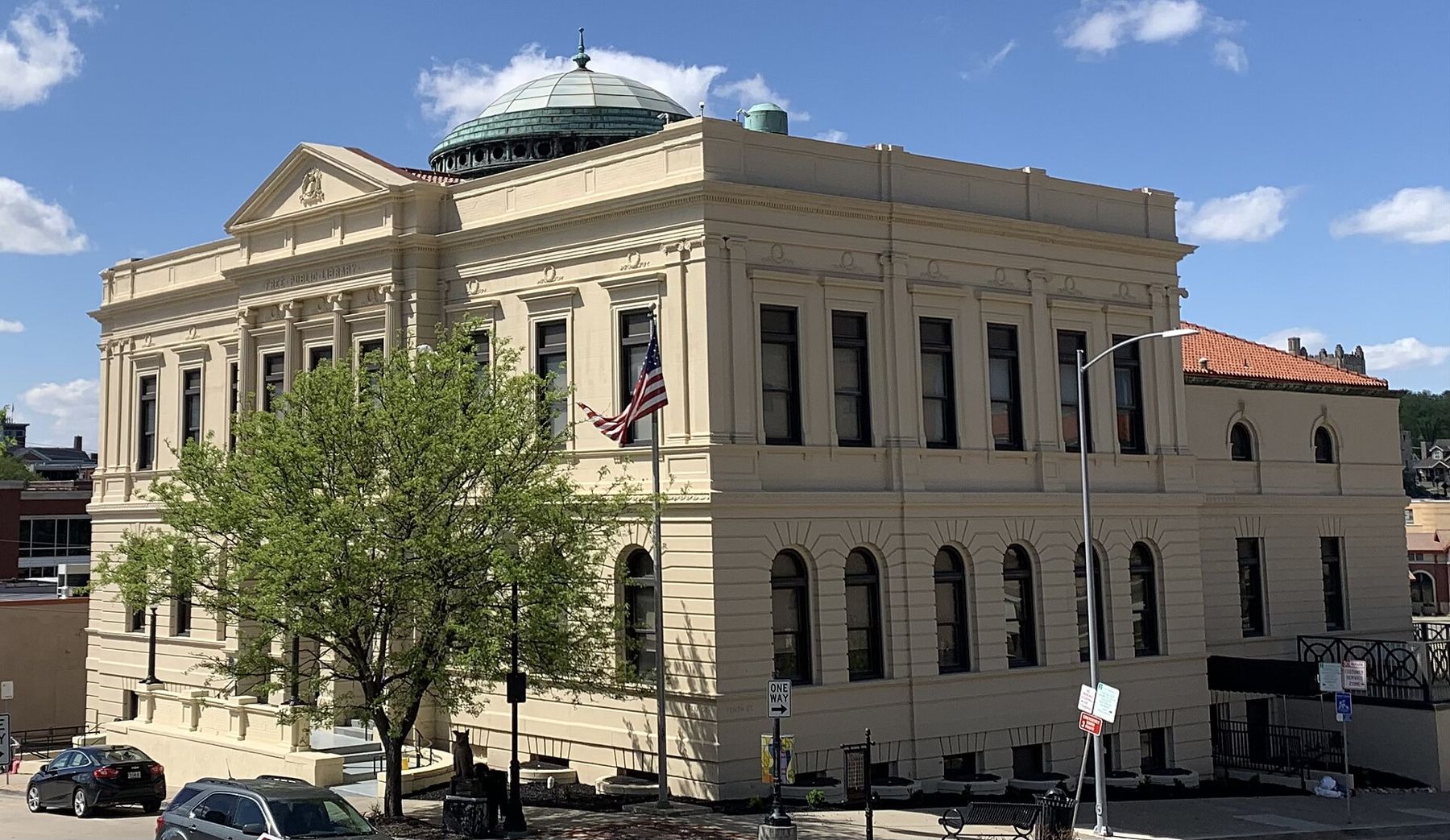
St. Joseph sits on the east bank of the Missouri about 55 miles north of downtown Kansas City, where the river bends below a line of bluffs. In the middle of the nineteenth century it was the last big town on the way west, the place where emigrants bought their wagons and where the Pony Express began. The money that followed built a city of large houses, and a great deal of it still stands.
A trading post becomes a town
The town began with a fur trader. Joseph Robidoux, of a French family of St. Louis traders, set up a post at the Blacksnake Hills on the river in the 1820s, trading with the Ioway and other nations before the Platte Purchase of 1837 brought the land into Missouri. In 1843 he laid out a town and gave it the name of his patron saint. Lots sold quickly, and the river landing grew into a city within a few years.
The jumping-off town
St. Joseph's place on the river made it a natural starting point for the overland trails. When gold was found in California and the rush began in 1849, thousands of emigrants came up the river by steamboat, bought oxen, wagons and supplies here, and crossed to the far bank to start west. The town became one of the main jumping-off places for the Oregon and California trails, competing with Independence, Westport and Weston for the trade.
In 1859 the Hannibal and St. Joseph Railroad was finished across northern Missouri, the first line to cross the state. St. Joseph now stood at the western end of the nation's railroads, and that fact led directly to its most famous chapter.
The Pony Express, 1860 to 1861
On April 3, 1860, a rider left St. Joseph carrying mail west on the first run of the Pony Express. The route ran close to 2,000 miles to Sacramento, California, through a chain of relay stations where riders changed horses every 10 to 15 miles, and it cut the time for a letter to cross the West to around ten days. The riders were young and light, and the route crossed Kansas, Nebraska, the Rockies and the Great Basin.
It did not last. The company lost money from the start, and when the transcontinental telegraph was finished in October 1861, the Pony Express shut down within days. It had run for about eighteen months. Its fame has lasted far longer.
The stables where the first rider set out still stand near downtown and now hold the Pony Express National Museum, with exhibits on the riders, the route and the stations. A few blocks away, the Patee House, built in 1858 as a large hotel, held the offices of the Pony Express company. It is now a museum of the city's past and a National Historic Landmark, and on its grounds stands the small house where the outlaw Jesse James was shot and killed in April 1882. Hours and fees at both change, so check before you go.
Mansions on the hills
The trail trade, the railroads and later the stockyards and wholesale houses made St. Joseph rich in the late nineteenth century. Its merchants and bankers built big houses on the hills above downtown, in every style of the era: Italianate, Second Empire, Queen Anne and heavy Romanesque stone.
Several neighborhoods hold long rows of them, and the Museum Hill district is the easiest place to start. The Wyeth-Tootle Mansion, a large stone house built in 1879 on a bluff above the city, is now one of the city's museums, with period rooms and exhibits on local history. Walk the streets around it and look at the porches, towers and ironwork. Most of the houses are private homes, so look from the sidewalk.
Downtown, schools and churches
Downtown St. Joseph keeps many brick and stone commercial buildings from its boom years, along with the public buildings a prosperous city built for itself, among them the old Free Public Library. Some blocks have been restored; others wait. It is worth an hour on foot, looking up at the upper floors, where carved stone, brick arches and painted signs from the wholesale years survive above the newer shop fronts. The city's stockyards and packing plants, which opened in the late 1880s on the south side of town, kept it busy well into the twentieth century.
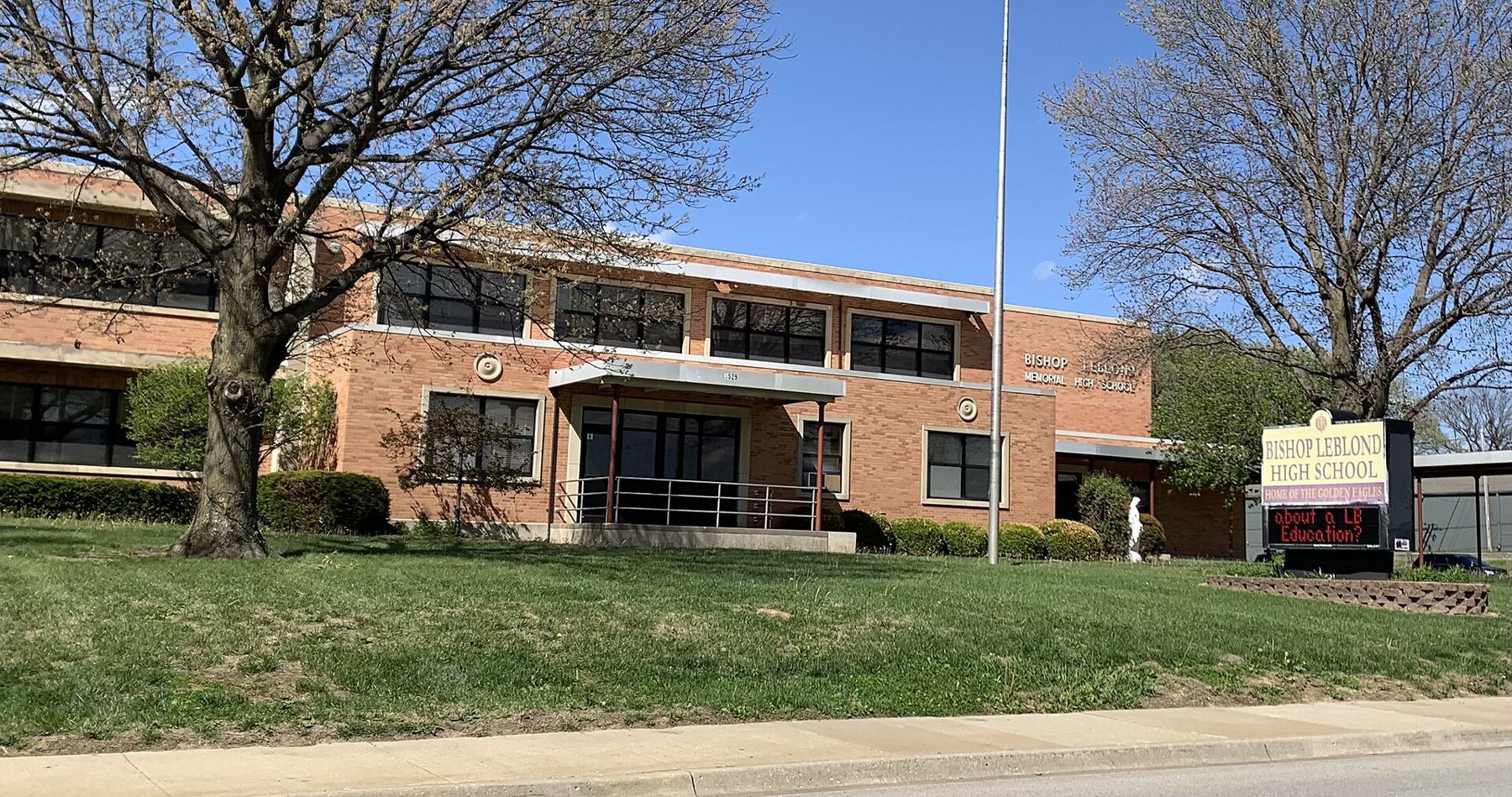
The packing plants and rail yards drew German, Irish and other immigrants, and their parishes, schools and churches fill the older neighborhoods. Brick school buildings of the twentieth century stand among the houses on the hills.
The river at St. Joseph
Lewis and Clark passed this bend in July 1804, decades before the town; their journey is told in Lewis and Clark on this stretch of river. A riverfront park and footpath north of downtown give views across the water to the Kansas shore. Downriver on the Kansas side, Atchison is about 20 miles away, and the two towns make a good pair for a long day.
Planning a visit
- Getting there: I-29 north from Kansas City, about an hour.
- Time: a full day covers the Pony Express sites, the Patee House and a walk through the mansion streets.
- Season: spring and fall are best for walking the hills.
- Hours and fees: the museums set their own schedules, and they change. Check before you go.
On the way north, a stop at Weston shows the river town that lost the trail and steamboat trade St. Joseph won.
Notice
Notice: the stables where the first Pony Express rider set out in April 1860 still stand. See them, then walk the hills of big houses above downtown.